
Onward Homes introduces new processes after vulnerable family left living with multiple hazards
30 April 2026
Onward Homes has overhauled how it responds to reports of damp, mould, and hazards after we issued a wider order.
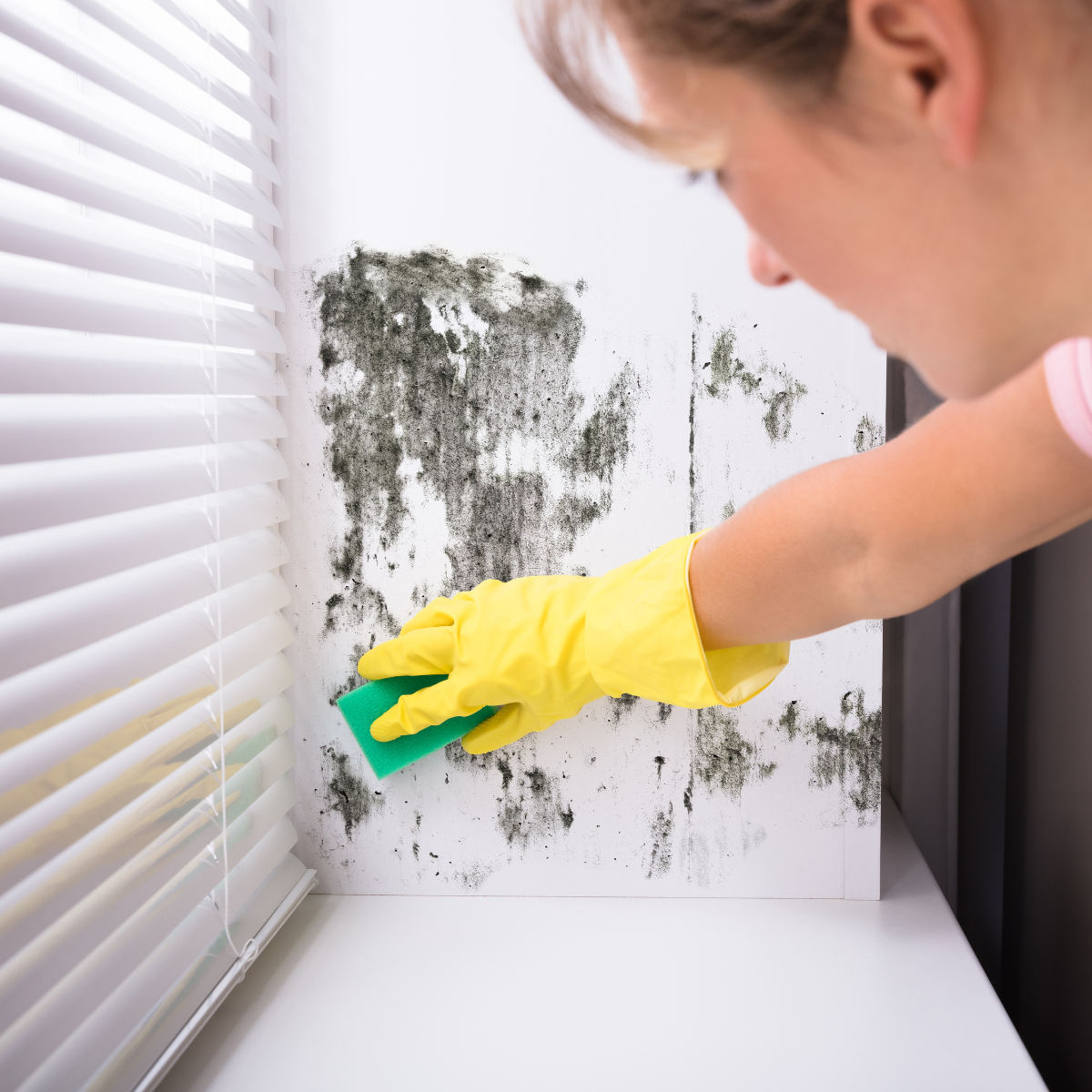
Onward Homes has overhauled how it responds to reports of damp, mould, and hazards after we issued a wider order. This follows a severe maladministration decision where we found the landlord left a vulnerable family living in poor conditions for nearly 2 years.
The case highlights the need for all landlords to assess how to identify and respond to reports or findings of multiple hazards in a property as Awaab’s Law expands later this year. The complaint itself was made before the start of Awaab’s Law for damp and mould hazards.
The family reported damp, mould, and mites to the landlord multiple times. They told the landlord about the impact this was having on their children’s physical and mental health. Letters from medical professionals and concerns raised by a social worker supported this.
Surveys found structural problems with the roof, guttering, and insulation and that the family were living with several hazards at the same time.
The landlord carried out mould washes and some repairs. It continued to treat the mites without identifying the underlying cause, despite their presence being a sign of an unresolved damp problem. There was no formal record of consideration for the family to be temporarily moved to alternative accommodation whilst it carried out works. Despite recommendations for repair works, the problems did not improve, and the landlord closed the case without resolution.
We asked the landlord to conduct a senior management review of the case. Following the review, the landlord has made changes to how it responds to reports of damp and mould. This is also now in accordance with Awaab’s Law. Reports now automatically activate a formal internal procedure. Staff have received training on the process designed to identify and target damp and mould, associated risks and any vulnerabilities in the household.
The landlord has also updated its process for temporary moves (also known as decants), including how it records and considers the need to be moved if living with significant hazards.
The landlord will now:
- refer vulnerable households to support services or neighbourhood teams when a complaint is made
- record the outcome of every survey and use a contractor checklist for every damp or pest inspection
- flag all vulnerable household and unresolved complaints as high risk for senior oversight
- create a ‘single evidence bundle’ on all cases, recording all visits, surveys, resident contact and decisions
- require a verification step and resident confirmation before closing a case
- carry out a 12-month review across its properties for reports of mould mites to identify wider lessons and review for further improvements
Landlord training on Awaab’s law and hazards
Landlord training on damp and mould
Housing Ombudsman, Richard Blakeway, said: “This case provides timely learning for the sector.
“As Awaab’s Law extends requirements to other hazards, landlords will face more cases where more than one hazard is present in a property.
“Landlords should prepare now to embed processes to identify where there may be multiple issues and understand how they can make each other worse. It also means treating the property as whole, rather than fixing issues one by one. When vulnerabilities are known, they must actively shape the landlord’s response. This includes how quickly it acts, how it communicates, and what additional support it offers.
“Living in hazardous conditions can seriously impact people’s health, safety, and wellbeing. Awaab’s Law acts as a legal backstop where landlords are not acting quickly enough. But landlords should see the individuals living in those homes and put in place the measures required to ensure they are living in safe, healthy homes.”
In all cases involving a wider order, we invite the landlord to provide a learning statement.
Onward Homes learning statement
We sincerely apologise to our customer and their family for the distress and inconvenience that this situation caused. We are committed to learning from this case and action has been taken in response to the issues raised by the Housing Ombudsman’s investigation.
These findings have been thoroughly reviewed and all orders and recommendations have been followed. Measures have been put in place to improve communication with customers, strengthen escalations, and enhance our approach to complex cases to ensure appropriate, personalised support is provided to customers.
We acknowledge that our service fell below the standards that are rightly expected from us and will continue to work with customers and the Housing Ombudsman to implement ongoing improvements in service delivery.